ChatGPT
 Grok
Grok
 Perplexity AI
 Claude

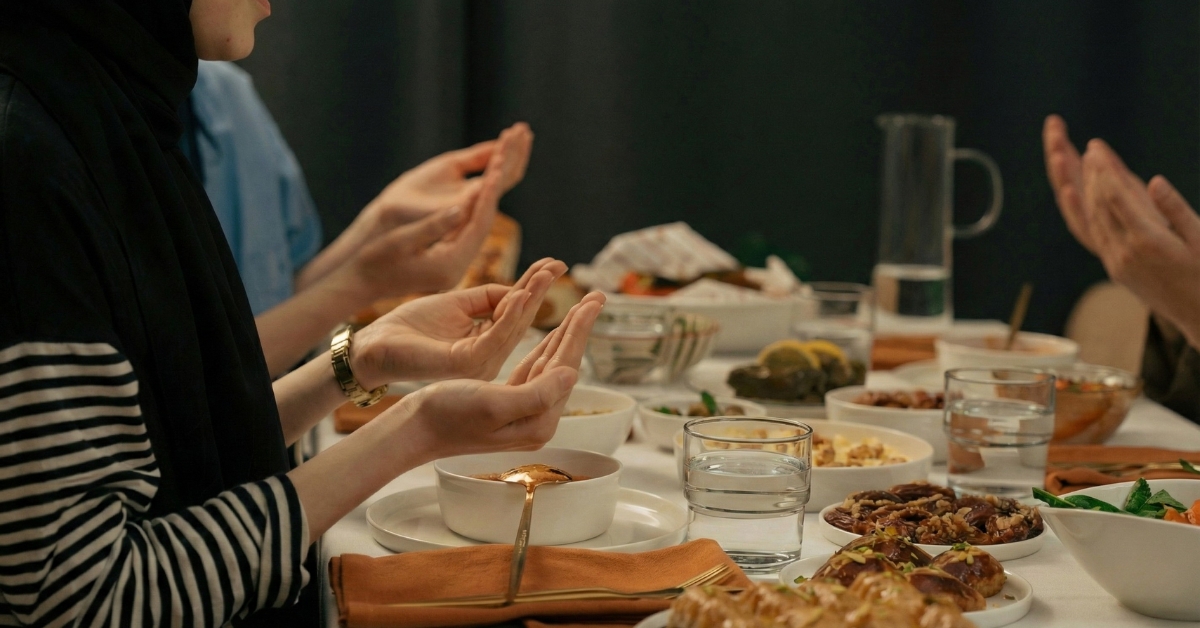
Ramadan is not only a month of worship—it’s a month that softens the heart. Many people ask, “Why does fasting make Muslims more empathetic?” and “How does Ramadan teach compassion for the poor?”
The answer lies at the core of the Ramadan empathy and compassion experience, where hunger becomes a doorway to understanding, giving, and kindness. Ramadan is considered a month of Barakah and fasting is one of the pillars of Islam. Every adult Muslim fasts during Ramadan and the fasting changes him or her for good. How is it possible? How can fasting bring so many positive traits into someone? Let’s see how it teaches all that, especially empathy and compassion towards those in need.
Why Ramadan Strengthens Empathy?
In Islam, fasting is designed to create emotional awareness. This directly connects with Fasting and empathy in Islam, a concept mentioned repeatedly by scholars.
Allah says in the Quran:
“O you who believe! Fasting has been prescribed for you… so that you may develop Taqwa.” (Quran 2:183)
The purpose of fasting is to create Taqwa (God consciousness) in our hearts and to make us (pious) Muttaqin. Taqwa includes empathy, restraint, and emotional intelligence. When the stomach is empty, the heart becomes full—full of reflection, patience, and compassion. When we abstain from food and drinking it allows us to know how it feels to be hungry.
The Messenger of Allah (ﷺ) says:
“For everything there is Zakat and the Zakat of the body is fasting.”
[Sunan Ibn Majah 1745]
Even psychologists say that shared discomfort increases emotional connection. In Ramadan, millions experience hunger together, which leads feeling hunger to feel empathy for those who face it daily.There are many in the world who do not have enough to eat. The hungry and the needy are in need of our help. We must share with others whatever Allah has given us.
How Fasting Teaches Compassion for the Poor
The Prophet Muhammad (peace be upon him) beautifully connected fasting with charity. He said:
“The best charity is that given in Ramadan.” (Jami` at-Tirmidhi 663)
Here’s how fasting increases kindness and Compassion for the poor in Ramadan:
1. It creates awareness of real hunger.
You don’t just imagine poverty—you physically feel its weight. It makes us deeply understand how hunger pangs hit the poor in real life.
2. It inspires generosity.
Muslims are encouraged to give Zakat and Sadaqah in Ramadan, helping families who cannot afford even basic necessities.
3. It builds emotional maturity.
Fasting teaches patience and humility, leading to Ramadan generosity and helping others from the heart.
Islamic scholar Ibn Rajab al-Hanbali said that fasting softens the heart and opens it toward mercy and giving.
Lessons of Charity and Kindness in Ramadan
One major goal of Ramadan is Lessons of charity in Ramadan, which reshape a believer’s character. It incredibly changes one’s thoughts and behavior and their moral conduct.
Fasting directly encourages:
- Selflessness
- Reduced attachment to material things or worldly pleasures
- Awareness of community needs
- Caring for the needy during fasting
Quran emphasizes kindness:
“And they give food despite loving it to the poor, the orphan, and the captive. Saying to themselves,“We feed you only for the sake of Allah, seeking neither reward nor thanks from you.” (Quran 76:8-9)
This verse is a perfect example of the Islamic perspective on kindness, showing that compassion is central to worship. The roots of Fasting lead us towards the branches of empathy, compassion and mercy which will gain us abundant rewards from Allah on the day of judgement.
Illustration showing connection of Fasting, Charity and Empathy
What’s the Connection Between Fasting and Kindness?
People often ask, “What’s the connection between fasting and kindness?”
The connection is simple, yet logical:
1. Hunger → Realization
You experience what many feel daily. Realizing that hunger is a daily reality for many, not just a spiritual exercise once a year. The pangs of hunger softens the heart and breaks arrogance.
2. Realization → Gratitude
You thank Allah for blessings you once ignored. We have the habit of being ungrateful, ignoring things which Allah has been blessing us with until we lose it. Similarly we learn to be grateful for every morsel that He has provided us.
3. Gratitude → Action
You feel compelled to help others.You feel like whatever you have (even if it’s little) is much more than some people who experience starvation on an everyday basis.This joy of sharing is something so wonderful that it can’t be explained.
This is where Ramadan empathy and compassion naturally develops.
Practical Ways Muslims Help the Poor During Ramadan
Muslims increase charity and good deeds in many ways:
- Donating food baskets which may have all basic groceries
- Sponsoring iftar meals
- Giving Zakat and Sadaqah
- Paying Zakat-ul-Fitr
- Visiting orphanages or elderly homes
- Supporting local charity drives
These actions reflect the essence of Compassion for the poor in Ramadan and the Emotional lessons of fasting.
How do Muslims help the poor during Ramadan?
Through Zakat, Sadaqah, food drives, charity programs, and direct support, sponsoring iftar, and supporting education and healthcare for vulnerable families, especially guided by Zakat and Sadaqah in Ramadan teachings. Many also volunteer with charities that focus on caring for the needy during fasting, such as delivering food parcels and visiting isolated elders.
What lessons of compassion are taught in Ramadan?
Ramadan teaches that worship is incomplete without serving people. It also teaches us patience, gratitude, self-discipline, and the importance of supporting the less fortunate. Believers learn that Ramadan empathy and compassion must continue after Eid.
Why does Ramadan emphasize charity?
Because generosity purifies the soul and uplifts communities. Shared discomfort builds emotional bonding and compassion.
What’s the role of empathy in Islam?
Empathy is viewed as a form of worship that strengthens relationships and increases reward. Fasting increases sensitivity, which naturally leads to kindness and empathy.