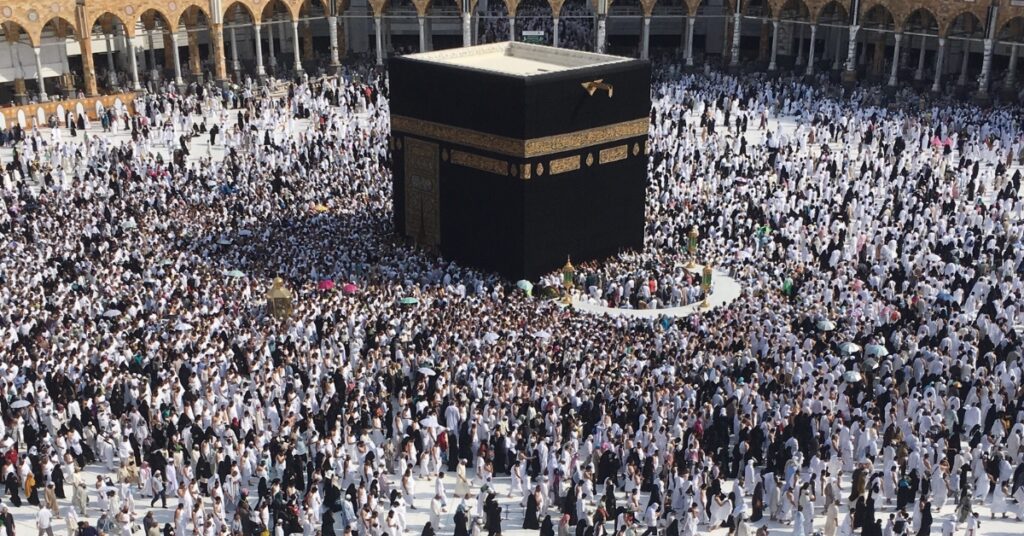
Ramadan is far more than a month of fasting—it is a transformative spiritual journey that profoundly strengthens the fabric of family and community bonds in Islam. We all know that fasting is one of the Pillars of Islam. Fasting not only teaches us compassion and empathy but also to share and care.
The Zakath, the Sadqa and sharing meals with relatives, neighbors, people in need, feeding the poor family, engaging in community or groups that provide groceries or serve food for the needy, are all part of some little joys that we get to enjoy during Ramadan while keeping in mind that all these are only to please Allah and merely not for show off.
How does Ramadan bring families closer?
This is a question often asked and the answer always goes back to the deep spiritual, emotional, and communal values that Ramadan nurtures.
Ramadan is not only about fasting; it is about rebuilding relationships, nurturing compassion, and reconnecting with loved ones. The Qur’an repeatedly emphasizes unity, mercy, and collective worship. As Allah says:
“The believers are but one brotherhood, so make peace between your brothers. And be mindful of Allah so you may be shown mercy.”
(Qur’an 49:10)
This spirit of brotherhood becomes most visible in Family and community in Ramadan, where moments of worship and shared meals strengthen bonds like no other time of the year. Even a child feels so cherished to share and fill the plate of his family members
Togetherness During Ramadan
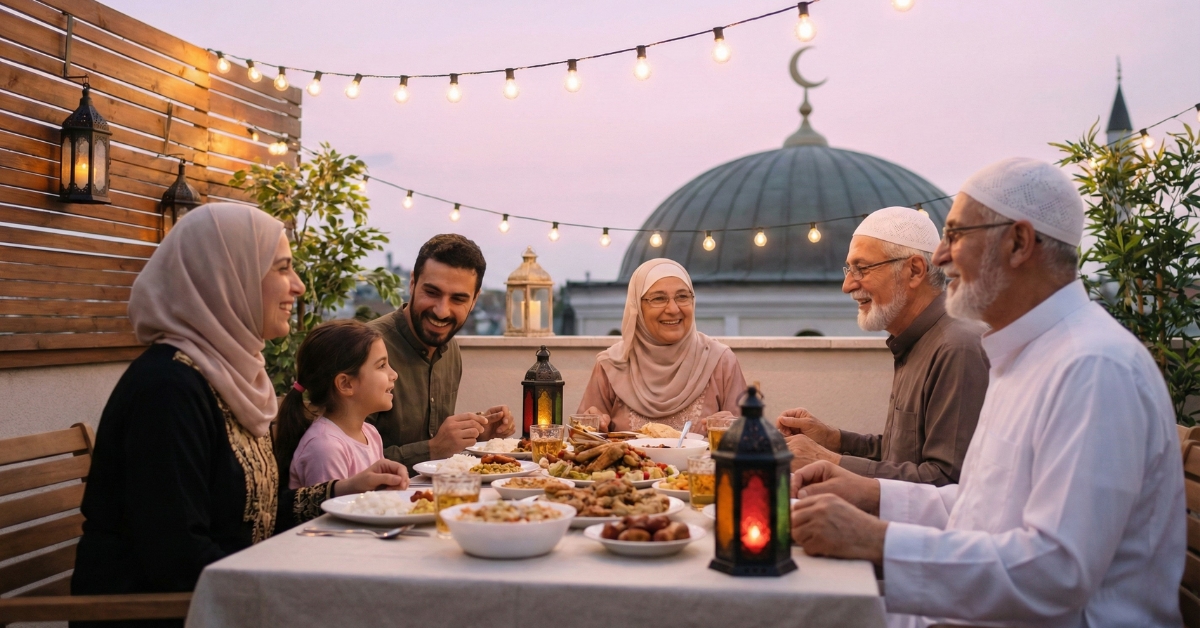
Ramadan is all about togetherness- from family gatherings to community Iftars. We cherish this holy month as we share, care and express love for one another. We also make sure not to waste our time in idle talk or unnecessary family drama.
Ramadan encourages families to spend more time:
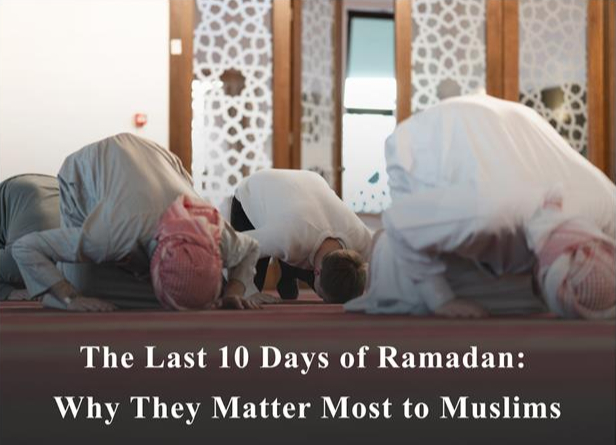
- Praying together
- Eating suhoor(pre-dawn meal) and iftar(sunset meal) as a group
- Reading Qur’an collectively
- Engaging in charity
- Visiting relatives
The Prophet ﷺ said:
“Do good deeds properly, sincerely and moderately and know that your deeds will not make you enter Paradise, and that the most beloved deed to Allah is the most regular and constant even if it were little.”
(Sahih al-Bukhari 6464)
Small, daily moments—serving dates, preparing meals, or sitting for dua—create long-lasting unity and peace.
Family Bonding Through Fasting
Fasting teaches patience and empathy. When families fast together, they experience:
- Shared struggle
- Mutual encouragement
- Emotional closeness
- A strong sense of achievement
- Improved communication
So, when someone asks you How does fasting unite Muslims? Don’t hesitate to tell them that shared spiritual discipline builds emotional harmony.Thus, uniting Muslims while fasting. They enjoy all those little things like preparing meals for the family and others and helping each other while doing the same and while setting the table, etc.
Ibn Taymiyyah explained that collective worship strengthens the heart and binds the community toward righteousness.
Iftar Gatherings and Unity
Iftar is one of the biggest sources of sharing meals in Ramadan, which builds memories and promotes Social harmony in Islam.
The Prophet ﷺ encouraged this when he said:
“Whoever provides the food for a fasting person to break his fast with, then for him is the same reward as his (the fasting person’s), without anything being diminished from the reward of the fasting person.”
(Jami` at-Tirmidhi 807)
These gatherings and unity creates:
- Kindness
- Generosity
- Mutual love
- Forgiveness
- Stronger household bonds
- Strengthens Family and community in Ramadan
Strengthening Muslim Communities
Mosques and unity during fasting play a huge role because they offer:
- Taraweeh prayers
- Community Iftars
- Qur’an study circles(halaqa)
- Youth activities
- Charity drives
- Distributing Ramadan grocery packages
- Eid meal kits preparation and distribution
These practices nurture Ramadan traditions and values, helping every Muslim feel included and supported even if they are financially stable.

5 Key Benefits of Ramadan on Family and Community Bonds
Qur’anic verse & Hadith that Emphasize Unity
Here are few essential teachings:
- Qur’an 3:103 – “And hold firmly together to the rope of Allah and do not be divided.”
- Hadith (Riyad as-Salihin 1448) – The Messenger of Allah (ﷺ) said, “When a group of people assemble for the remembrance of Allah, the angels surround them (with their wings), (Allah’s) mercy envelops them, Sakinah, or tranquillity descends upon them and Allah makes a mention of them before those who are near Him.”
Family and Community in Ramadan: Key Takeaways
- Ramadan increases shared worship (prayer, Qur’an, dua, azkar-remembrance of Allah).
- Iftar and suhoor time promote daily bonding.
- Community charity deepens empathy.
- Mosques create unity through collective worship.
- Shared fasting experiences build emotional harmony.
Additional Tips to Strengthen Family & Community Bonds in Ramadan
- Host weekly family Qur’an reflections
- Attend community iftars
- Volunteer together for charity
- Visit elderly neighbors
- Start small acts of kindness campaigns
- Conduct Family prayers in Ramadan
Conclusion
Ramadan is a month of mercy, reflection, and unity. Through fasting, prayer, and charity, families reconnect and communities grow spiritually stronger. The harmony created in this month reflects the core Islamic values of compassion, empathy, and togetherness—turning Ramadan into a powerful season of love and unity.
How does Ramadan promote unity among Muslims?
It promotes unity through shared fasting, collective prayers, charity work, and community gatherings that strengthen social bonds.
Why is family bonding important in Islam?
Because the family is the foundation of society. Strong families lead to strong communities.
Why are community iftars important?
They reduce loneliness, encourage charity, and foster a sense of belonging while making us realise all Muslims are equal before Allah.
How does fasting unite Muslims?
Fasting creates shared experiences of discipline, empathy, and spiritual growth.
Why do Muslims read the Qur'an together in Ramadan?
To seek guidance, increase blessings, and strengthen family spirituality.