ChatGPT
 Grok
Grok
 Perplexity AI
 Claude

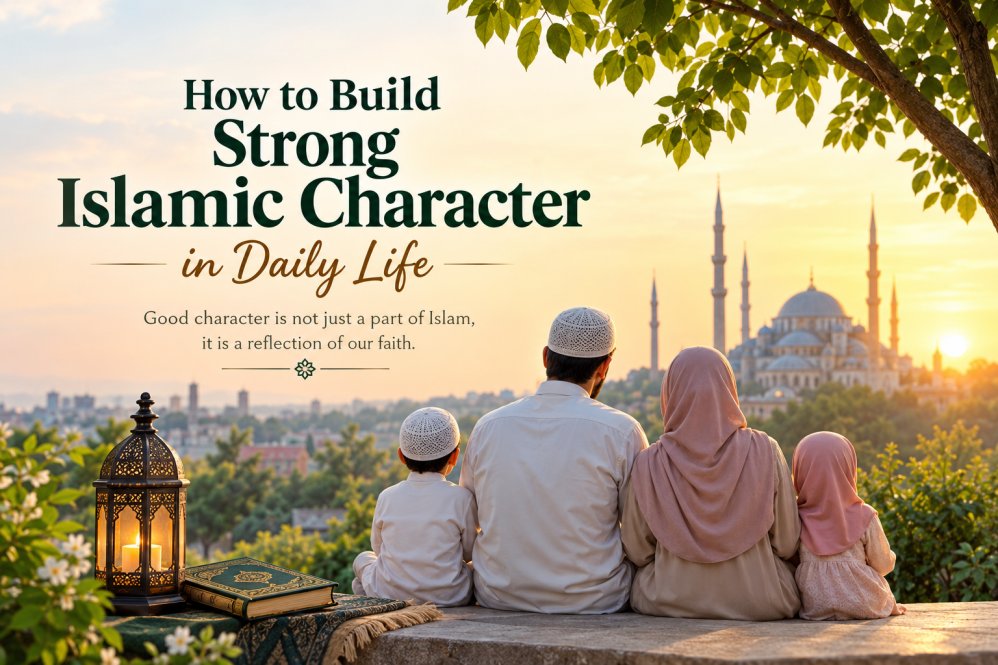
Good character is one of the most beautiful qualities a Muslim can develop. Islam does not define success only through worship, knowledge, or outward appearance. It also teaches us to become kind, honest, patient, humble, forgiving, and trustworthy in our everyday dealings.
Building Islamic character is therefore not something limited to the mosque or religious gatherings. The good news is that character can be developed gradually. Every day gives us opportunities to practise the values taught by the Qur’an and the Prophet Muhammad ﷺ.
Good Character In Islam
The best example of good character in Islam is none other than our beloved Prophet Muhammad ﷺ, whose life is a great reflection of Ikhlaq in Islam.
In a lecture by Hisham Abu Yusuf, he shares how Ibn Al Qayyum explained that all good Ikhlaq can be further splitted into four characteristics,
- Self control
- Courage
- Justice
- Saying no to temptations
If we focus on these four, then all other things would be fine.
At the end of the day, take a few minutes for self-reflection. Ask yourself what you did well and what you could improve tomorrow.
The Prophet ﷺ said:
“There is nothing that will be put on the believer’s scale that is heavier than good character.”
[Jami‘ at-Tirmidhi 2003]
Character develops through practice. A sincere smile, a truthful answer, a patient response, and an act of forgiveness may seem small, but repeated consistently, they can transform the way we live.
Allah says in the Qur’an:
“And you are truly a man of outstanding character.”
[Qur’an 68:4]
This verse highlights the exceptional character of the Prophet ﷺ. His kindness, patience, honesty, mercy, humility, and forgiveness were not separate from his faith—they were part of it.
Importance Of Good Character In Islam
Why is good character so important in Islam? It’s because Islam is not just about what you say or how much you worship, it’s also about how you treat people.
The Prophet Muhammad (ﷺ) said, ‘The best among you are those who have the best manners and character.’
[Sahih al-Bukhari 6029]
Being honest, kind, patient, humble and forgiving are all signs of good character. You may be known for your knowledge or wealth but your character is what shows who you truly are. Beautiful character is a beautiful thing that a Muslim can have.
How To Build Good Character In Islam
Mufti Ismail Menk says, “Be a good muslim. Islam teaches you to develop your link with Allah and it teaches you to develop yourself because you are going to have relations with the rest of the creatures of Allah. So, how we walk, how we talk, our temperament control makes sure you nurture, push yourself.”
He further continues saying that many of us have a temper which will not go until we work on it. We have to work hard on it. If we have bad habits we have to work hard to eradicate those. People with good character didn’t just become like that without effort. They made an effort.
I started watching my mouth (to avoid hurling abuses). Today, the ‘F’ word is used like salt&pepper in our food by people who look like they offer all 5 Salahs and at night they might be waking up for Tahajjuds. Remember, angels register it in your book of deeds.
Let’s see how to build good character in islam,
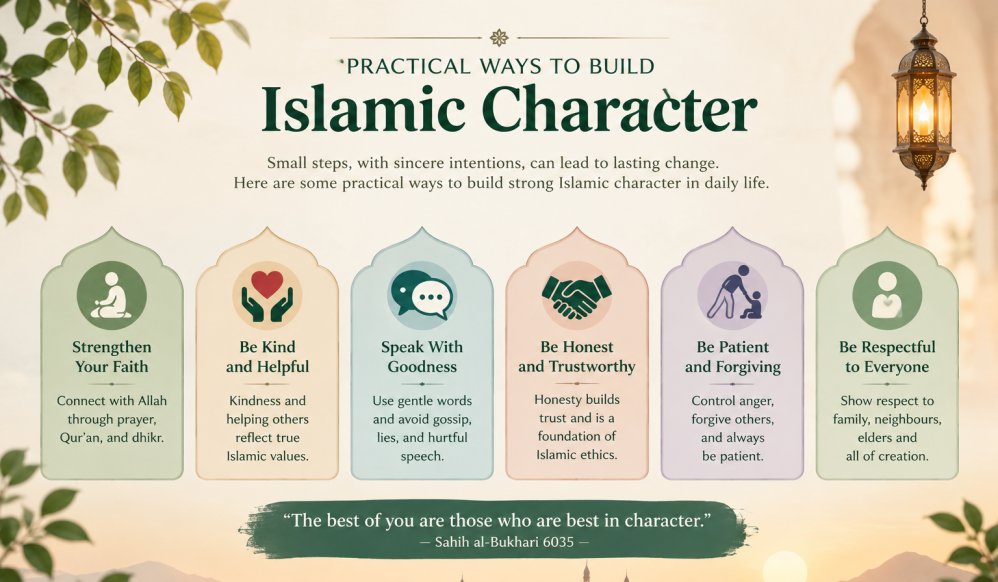
1. Start With Sincerity and Self-Awareness
Self-awareness and self-criticism helps us recognise the qualities that need improvement. Instead of trying to change everything at once, choose one quality and work on it consistently. Real change often happens through small, repeated efforts.
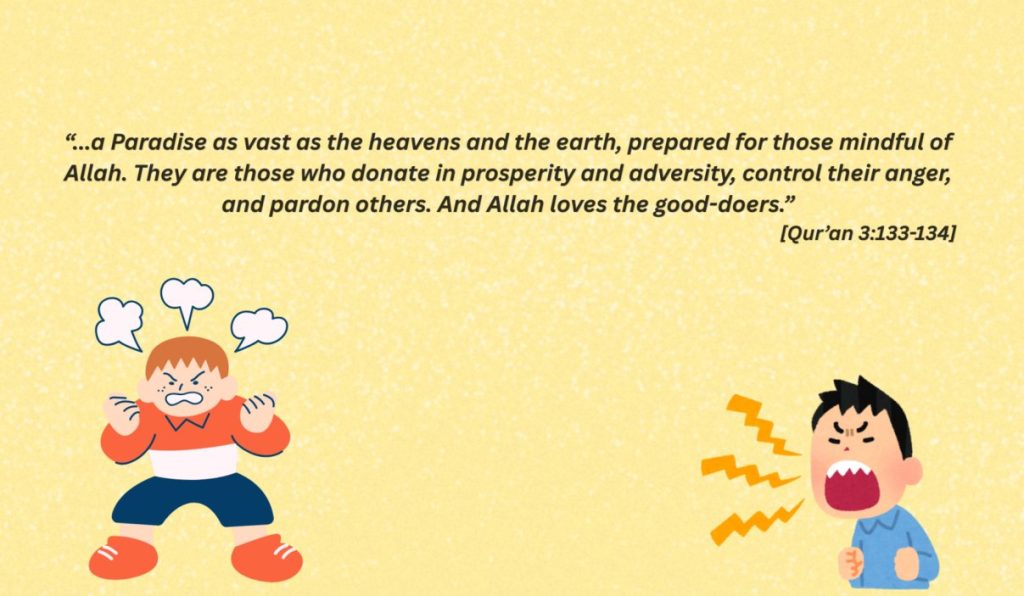
2. Control Anger and Choose Patience
Anger can make us say words we later regret. Islam encourages believers to control their anger and forgive others.
3. Make Honesty a Daily Habit
Honesty is one of the foundations of Islamic values and Islamic ethics. A Muslim should be truthful in speech, promises, business, relationships, and even online communication.
The Prophet ﷺ warned against lying and taught believers to remain truthful.
4. Practise Kindness in Ordinary Moments
Islamic manners are often visible in simple actions: greeting people warmly, listening without interrupting, helping someone in need, speaking gently to children, respecting elders, and avoiding hurtful comments.
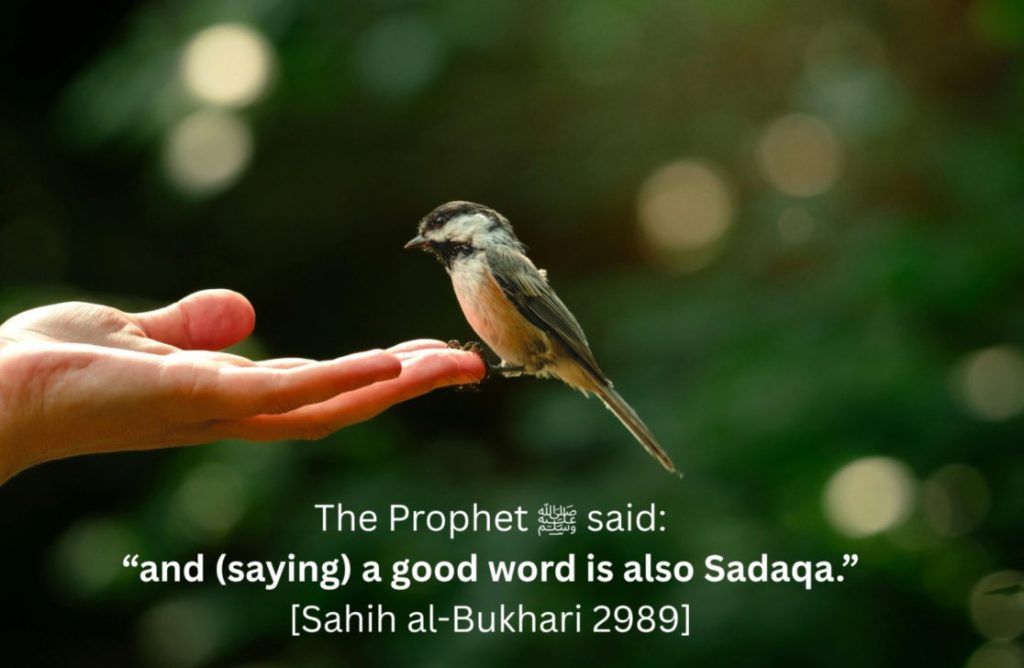
This shows how kindness does not always require extraordinary effort. Even our words can become acts of worship.
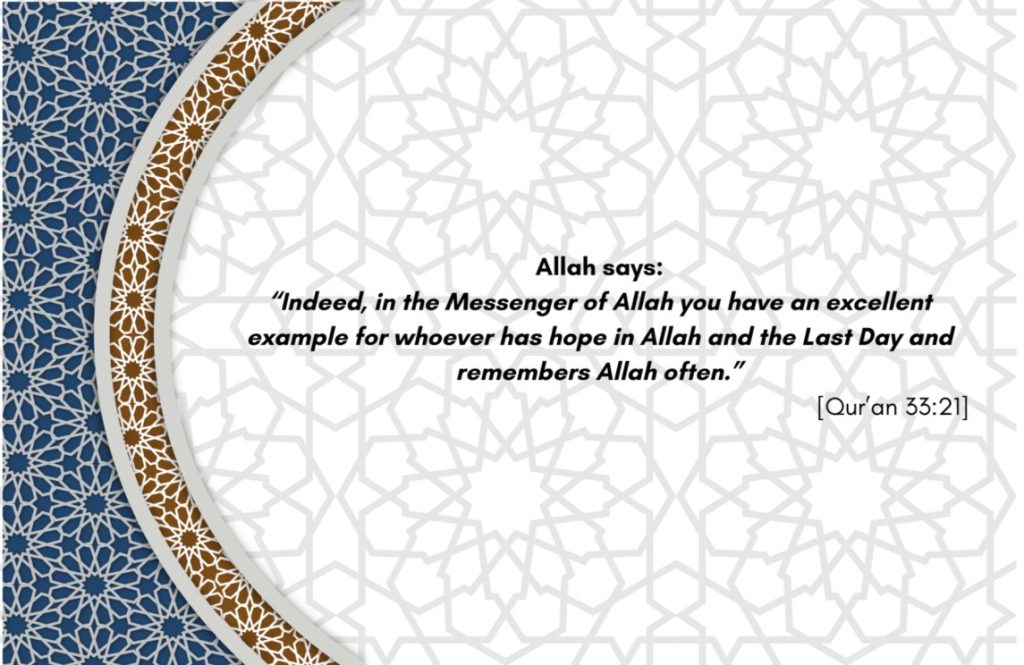
5. Follow the Prophet’s Example
Learning about the Prophet ﷺ can teach us practical lessons about good manners in islam—how he treated his family, companions, neighbours, children, and even those who disagreed with him.
Good Character in Quran and Everyday Life
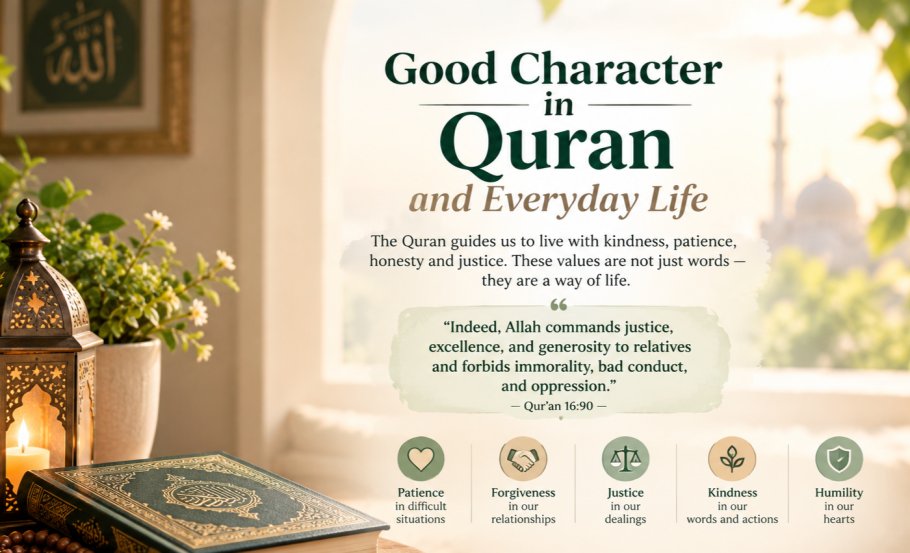
The good character in Quran is connected with justice, mercy, patience, forgiveness, honesty, and respect. Allah commands:
“Indeed, Allah commands justice, grace, as well as generosity to close relatives. He forbids indecency, wickedness, and aggression. He instructs you so perhaps you will be mindful.”
[Qur’an 16:90]
These principles show that Ikhlaq in islam is not simply about appearing polite. It is about developing an inner sense of responsibility before Allah and allowing that faith to influence our actions.
For example, forgiving someone who apologises, helping a struggling neighbour, avoiding gossip, keeping a promise, or speaking gently to a frustrated family member can all be practical expressions of Islamic character.
How To Become A Better Muslim
To become a better Muslim just make sure you are good in these points or at least try to get into most of it,
- Strive in the way of Allah.
- Speak the truth.
- Help your Muslim brothers.
- Never mock people of other religions (respect them).
- Never deceive or torture people.
- Don’t be arrogant and always be humble.
- Be grateful to Allah always.
- Show empathy towards people.
- Never disrespect your parents and even elders.
- Beware of unjust behaviour.
- Stay away from jealousy, lies and hatred.
- Always be a trustworthy person.
- Never leave your obligatory prayers.
- Try and make sure that you strive to be better at your core duties of Islam: Shahada(belief), Salah (prayer), Roza (fasting), Zakah (alms tax), Hajj (pilgrimage to Haram-Mecca).
- Your Ikhlaq or Character talks about you a lot.
- Be humble to orphans, widows, parents and others.
- Always guide your people towards the right path, but make sure that you follow that before them.
- Never spend more on extravagance.
- Take care of your neighbours.
- Be polite to people younger than you.
- Always believe in giving (Sadaqa).
These Islamic values and Islamic ethics not only make you a better Muslim but also a better human being. Every Muslim should try to become a better person day by day and never stop learning.
Conclusion
Strong Islamic character is built through small choices we make every day. It grows when we choose patience over anger, truth over convenience, forgiveness over punishment, and kindness over being harsh.
Islam teaches us not only to worship Allah but also to become better human beings. When our faith begins to shape our words, actions, relationships, and responses, our character becomes a reflection of the values we believe in.
This journey does not require perfection but it requires sincerity, consistent effort, and a willingness to improve- one good choice at a time.
Why is good character important in Islam?
Good character is an essential part of faith and is strongly emphasised in the Qur’an and Prophetic teachings. The Prophet ﷺ described good character as one of the heaviest deeds on a believer’s scale.
How can I improve my character according to Islam?
Begin with self-reflection, control anger, practise honesty, speak kindly, forgive others, keep promises, and follow the example of Prophet Muhammad ﷺ in everyday situations.
What does the Quran say about good character?
The Qur’an praises qualities such as patience, forgiveness, justice, kindness, and humility. Qur’an (68:4) specifically describes the Prophet ﷺ as possessing a great moral character.
Is good character part of worship in Islam?
Yes. Good behaviour can be an act of worship when it is done sincerely for Allah. Treating people with kindness, fulfilling responsibilities, and avoiding harm are all consistent with Islamic teachings.
Can good character replace prayer and fasting?
No, but it complements them. The Prophet ﷺ said a person with good manners can attain the same reward as one who fasts and prays often, showing its immense value alongside worship.
What is Ikhlaq in Islam?
Ikhlaq (or Akhlaq) refers to Islamic ethics, manners, and moral character. It encompasses honesty, patience, kindness, humility, and all noble traits that reflect faith in daily life.
How do I teach good character to my children?
Model it yourself, share stories of the Prophet ﷺ, encourage kindness and truthfulness, make dua together, and create a home environment rooted in Islamic values and good manners.