ChatGPT
 Grok
Grok
 Perplexity AI
 Claude

The Islamic calendar holidays are more than just dates on a calendar; they represent moments of worship, reflection, gratitude, and remembrance for Muslims around the world. Unlike the commonly used Gregorian calendar, the Hijri calendar follows the cycles of the moon, making it an Islamic- lunar calendar that has deep spiritual significance.
What Lunar calendar is our life connected to? As the Islamic New Year is beginning, discover why the Hijri calendar is a divine framework for worship, identity and sacred history. Learn how living by the Islamic calendar realigns our life with purpose, faith and the way Allah intended us to experience time.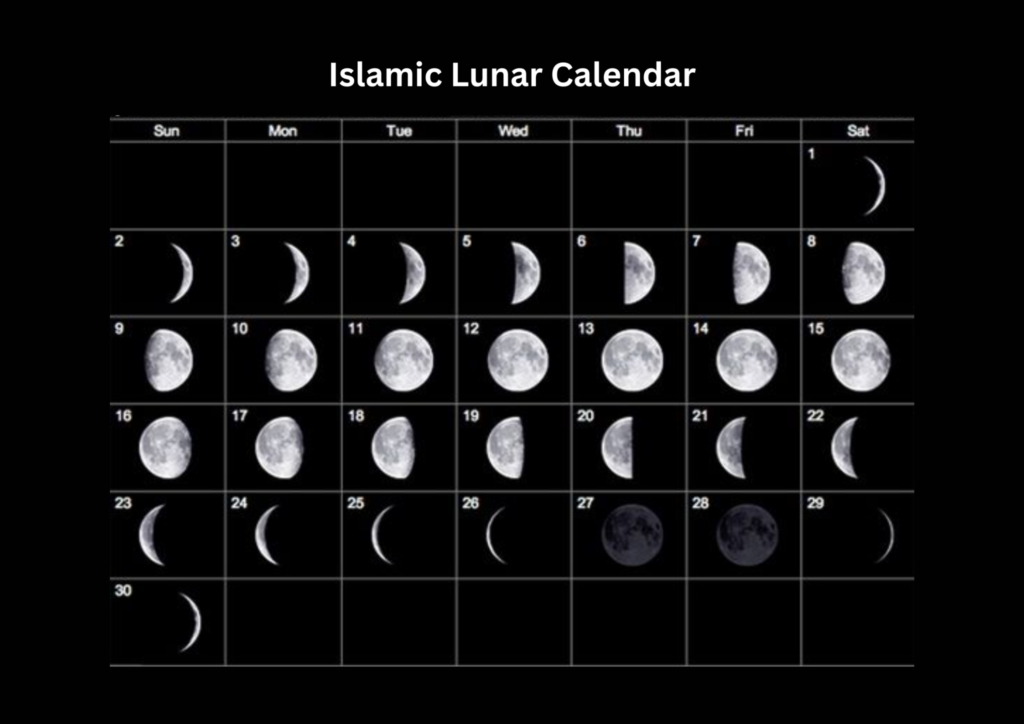 Muslim calendar system
The Muslim calendar system begins from the migration (Hijrah) of Prophet Muhammad ﷺ and the early Muslim community from Makkah to Madinah. Each month carries historical and religious importance, guiding Muslims in observing Islamic holy days, fasting, charity, and other acts of devotion.
Understanding the Islamic Lunar Calendar and Its Importance
The Islamic calendar consists of twelve months,which includes sacred months mentioned in the Quran. Allah says:
“Indeed, the number of months ordained by Allah is twelve—in Allah’s Record1 since the day He created the heavens and the earth—of which four are sacred. That is the Right Way. So do not wrong one another during these months. And fight the polytheists together as they fight together against you. And know that Allah is with those mindful of Him. ”
(Quran 9:36)
These sacred months remind believers about peace, self-control, and spiritual awareness. In another Hadith the Prophet (ﷺ) said:
“Time has come back to its original state which it had when Allah created the Heavens and the Earth; the year is twelve months, four of which are sacred. Three of them are in succession; Dhul-Qa’da, Dhul-Hijja and Al-Muharram, and (the fourth being) Rajab Mudar (named after the tribe of Mudar as they used to respect this month) which stands between Jumad (ath-thani) and Sha’ban.”
[Sahih al-Bukhari 4662]
During these four months, sins carry a heavier weight, but good deeds yield greater rewards, and all offensive warfare is historically forbidden to ensure safe conditions for society.The Logic Behind the Months
The Arabic word haram here does not mean strictly “sinful” in the traditional sense, but rather “inviolable” or “sacred.” The logic behind protecting these specific months was to provide peace and security in pre-Islamic and Islamic Arabia.
The calendar helps Muslims identify important times for religious observances in Islam, including fasting, pilgrimage, and remembrance.
Major Islamic Holy Days and Muslim Festivals
In general, Muslims observe two holy days or as commonly called Eid: Eid-al Gitr and Eid-al Azha. The timing of both these holidays are set by Islamic Lunar calendar which is based upon the cycle of the moon, and so is different from the more common, European, solar-based Gregorian calendar. The movement of the moon determines the beginning and end of many important occasions. Hence, every year, the Gregorian dates of the Islamic holidays change.
Ramadan: A Month of Worship and Reflection
Among the most significant Muslim festivals and religious seasons is Ramadan, the ninth month of the Hijri Lunar calendar. It is a time when Muslims fast from dawn until sunset, increase prayers, read the Quran, and focus on generosity.
The Quran states:
“The month of Ramadan is that in which the Quran was revealed, a guidance for mankind and clear proofs of guidance and criterion.”
(Quran 2:185)
Ramadan teaches patience, empathy, and gratitude. The end of Ramadan is marked by Eid-Al Fitr celebrations, where families gather, share meals, give charity, and strengthen community bonds.
Eid Celebrations: Joy, Gratitude, and Community
The two major Eids are among the most recognized Religious holidays Islam observes:
- Eid al-Fitr comes after Ramadan and celebrates the completion of fasting.
- Eid al-Adha is connected with the sacrifice and devotion shown by Prophet Ibrahim (Abraham) عليه السلام.
During Eid al-Adha, Muslims remember Prophet Ibrahim’s willingness to follow Allah’s command. The Quran describes:
“That was truly a revealing test. And We ransomed him with a great sacrifice. and blessed Abraham ˹with honourable mention˺ among later generations ”
(Quran 37:106–108)
These celebrations are not only about food and gatherings but also about faith, kindness, sacrifice, empathy and helping others. As part of Islamic seasonal celebrations, Eid reminds Muslims to express gratitude, strengthen family bonds, and share blessings with those around them.
Islamic Commemorative Days and Their Lessons
Several Islamic commemorative days remind Muslims about important events in Islamic history. These occasions encourage reflection on the lives of prophets, sacrifices made by early Muslims, and lessons of faith.
For example, the day of Ashura (10th day of Muharram), holds historical significance. Muslims remember the importance of patience, justice, and devotion. The Prophet Muhammad ﷺ encouraged fasting on this day as an act of worship.
Another outstanding example are the last 10 days of Ramadan which are so blessed that we spend our nights in Allah’s remembrance, prayers, dua, recitation of Quran, etc.
These occasions are part of the wider collection of Islamic holy days or the Islamic calendar holidays that help Muslims reconnect with their beliefs and values.
The Spiritual Purpose of Islamic Religious Observances
The purpose of Islamic religious observances is to strengthen the relationship between a believer and Allah. They encourage prayer, charity, forgiveness, and good character.
The Prophet Muhammad ﷺ said:
“The (reward of) deeds, depend upon the intentions and every person will get the reward according to what he has intended”
(Sahih al-Bukhari 6689)
This teaching highlights that celebrations and worship are meaningful when they are performed with sincerity.
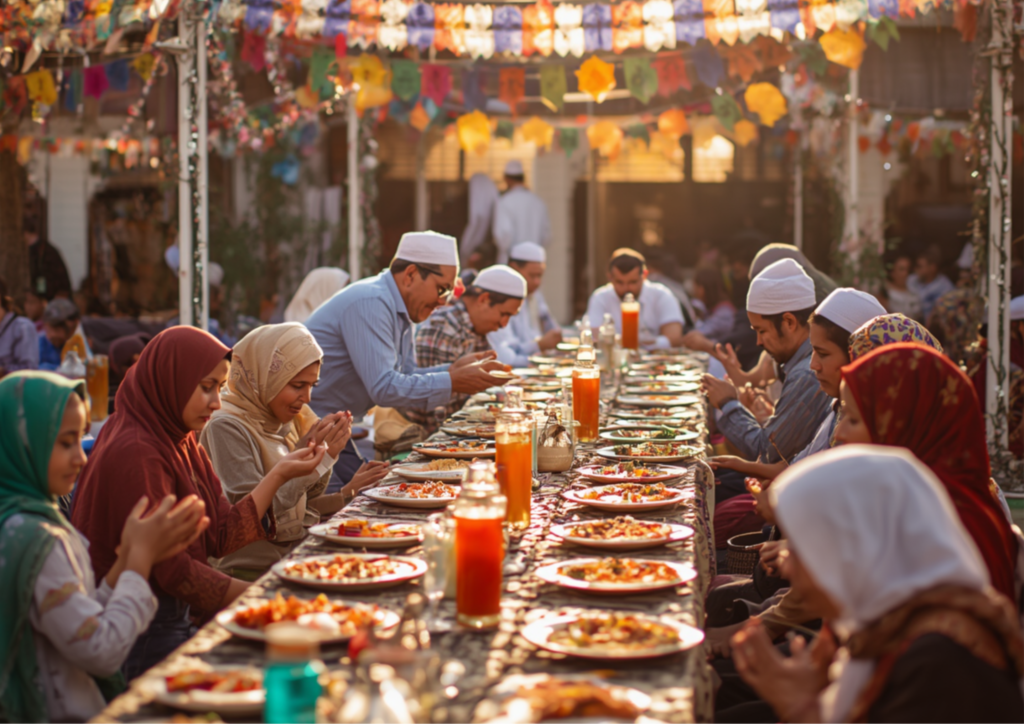
Islamic traditions also promote unity through Muslim community events, where people come together to support one another and share blessings.
Conclusion
The Islamic calendar holidays reflect the spiritual journey of Muslims throughout the year. Through fasting, prayer, remembrance, and celebration, these days connect believers with their faith and history.
The Hijri calendar is not only a method of counting time but also a guide for meaningful worship and reflection. Understanding these occasions helps people appreciate the beauty of Islamic traditions and the values behind them.
What are the main Islamic holy days?
The main Islamic holy days include Ramadan, Eid al-Fitr, Eid al-Adha, and other significant commemorative occasions.
Why does the Islamic calendar change every year?
The Islamic lunar calendar follows moon cycles where each month has 29 or 30 days, so Islamic dates shift approximately 10–12 days earlier each year compared to the solar calendar.
What is the importance of Eid celebrations?
Eid celebrations represent gratitude, worship, charity, and strengthening family and community relationships.
Are Islamic celebrations only cultural events?
No. Many Islamic celebrations are connected with worship, religious history, and spiritual lessons from the Quran and Sunnah.